Views: 0 Author: Site Editor Publish Time: 2026-04-08 Origin: Site


Leaf blowers are essential tools in the outdoor cleaning and landscaping industries, helping professionals efficiently clear leaves, debris, and grass clippings from lawns, gardens, and large commercial properties. These versatile machines save time and labor, making them indispensable for maintaining clean and well-kept outdoor spaces. For distributors, understanding the key features and specifications of leaf blowers is crucial in selecting the best products for their clients. By evaluating factors such as power source, airflow capacity, weight, and durability, distributors can ensure they provide their customers with high-quality, reliable tools that meet specific needs and expectations, ultimately enhancing customer satisfaction and driving business success.
Pros:
· High Power: Ideal for heavy-duty tasks like large yards or commercial properties.
· Long Runtime: No battery limits, making them suitable for extended use.
· Portability: No cords, providing freedom of movement.
Cons:
· Noise: Generally louder than electric models.
· Maintenance: Requires regular upkeep like oil changes and spark plug replacement.
· Environmental Impact: Emits pollutants.
Pros:
· Portability: Lightweight and easy to maneuver, perfect for residential areas.
· Eco-Friendly: No emissions, reducing environmental impact.
· Low Maintenance: Minimal upkeep needed compared to gas models.
Cons:
· Limited Runtime: Battery life may restrict use on larger areas.
· Lower Power: Not as strong as gas-powered blowers for heavy tasks.
Pros:
· Low Maintenance: No need for oil or spark plugs.
· Consistent Power: Unlimited runtime when plugged in.
· Lightweight: Easy to use for long periods.
Cons:
· Limited Range: Dependent on cord length.
· Power Source: Needs an electrical outlet.
Feature | Gas-Powered | Battery-Powered | Corded Electric |
Power Source | Gasoline | Rechargeable Battery | Electric (Plug-in) |
Runtime | Unlimited | Limited by battery life | Unlimited (with extension cord) |
Maintenance | High (oil, spark plugs) | Low (battery care) | Very low (no oil or spark plugs) |
Portability | High (no cords) | Very high (cordless) | Limited (depends on cord length) |
Noise Level | High | Low | Low |
Suitability | Heavy-duty tasks | Residential, small-medium areas | Light-duty use, smaller yards |
This table helps distributors choose the right leaf blower based on customer needs, whether they prioritize power, portability, or low maintenance.
· Impact on Performance: The airflow speed (measured in miles per hour) and volume (measured in cubic feet per minute, or CFM) determine how effectively the blower can move leaves and debris. A higher CFM and MPH typically lead to better performance, especially for heavy-duty tasks or large areas.
· Efficiency: For professional use, efficient airflow can reduce the time needed for cleaning, increasing productivity.
· Importance for Prolonged Use: Lightweight leaf blowers are easier to maneuver and cause less fatigue during extended use, making them ideal for professionals who work for hours at a time.
· Ergonomics: A well-designed, balanced blower with comfortable grips reduces strain on the user’s body and improves handling, especially during lengthy tasks.
· Legal Regulations: Many areas have noise regulations that limit the decibel level of outdoor equipment. Gas-powered blowers are typically noisier than electric models, which may require distributors to consider local laws when selecting products for certain regions.
· Community Impact: A quieter blower helps reduce disturbance in residential neighborhoods and enhances the overall user experience.
· Comfort: Low noise levels improve user comfort during long hours of operation, making quieter blowers more desirable in certain professional settings.
· Materials: High-quality materials, such as robust plastics, steel, and weather-resistant components, ensure that the blower can withstand outdoor conditions and last longer.
· Weather Resistance: A durable blower can resist damage from rain, sun exposure, and harsh environments, making it suitable for year-round use.
· Warranty: Reliable warranties ensure peace of mind for distributors and customers, as they provide coverage for potential defects or performance issues.
· Cost of Ownership: Models that require fewer repairs and less frequent servicing typically cost less to maintain over time, offering better long-term value.
· Repair and Service Needs: Easy-to-repair models with readily available parts ensure minimal downtime and cost-effective service.
· Serviceability: A design that allows easy access to parts like the motor, filters, and blades helps streamline maintenance and lowers repair costs for users.
· Leaf-Moving Capacity: CFM measures the volume of air the blower can move per minute. A higher CFM indicates that the blower can move more leaves and debris in less time, making it ideal for larger areas or heavy debris.
· Efficiency: A blower with higher CFM can handle bigger tasks more efficiently, reducing the number of passes required to clear an area.
· Airspeed for Debris Clearing: MPH measures the speed of the air stream. A higher MPH allows the blower to push debris more effectively, especially for light, dry leaves or small twigs.
· Faster Clearing: Blowers with high MPH can move debris more quickly, making them useful for fast cleanups in open spaces, or when clearing leaves that are scattered over a wide area.
· Reducing Fatigue: High vibration levels can cause discomfort and fatigue during prolonged use, especially in professional settings. Blowers with lower vibration levels are more comfortable to handle for extended periods.
· Ergonomics and Productivity: Reducing vibration not only improves user comfort but also enhances productivity, as workers can work longer without experiencing physical strain. Many high-quality blowers are designed with anti-vibration technology to minimize these effects.
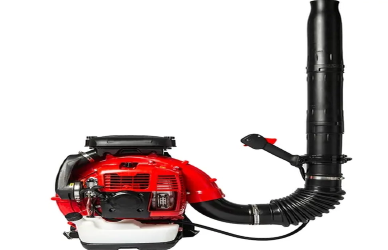
When selecting leaf blowers, distributors prefer reliable brands that ensure quality and customer satisfaction. Here’s an overview of top brands and the factors affecting distributor purchasing decisions.
· Qianheng Machinery: Known for cost-effective, durable outdoor power equipment, offering a solid balance of performance and price for a wide range of customers.
· Echo: Recognized for durable, high-performance gas-powered blowers, popular among professionals for heavy-duty tasks.
· Stihl: Renowned for its reliable, high-quality products, ideal for both residential and commercial use with a focus on ergonomic design.
· Husqvarna: Offers robust, well-engineered blowers, suitable for both consumer and professional markets, with strong performance and advanced features.
Reliability
Distributors favor brands with a proven history of durability and consistent performance.
Availability
Brands with steady stock, model variety, and global supply chains make inventory management easier.
Price Point
Competitive pricing across various categories—budget, mid-range, and premium—helps cater to a broad customer base.
After-Sales Support
Access to spare parts, warranties, and customer service enhances long-term satisfaction and builds brand loyalty.
· Residential Market: For homeowners or small properties, lightweight, quieter, and battery-powered or corded electric blowers are often the best choice. They prioritize convenience, ease of use, and eco-friendliness.
· Commercial Market: Landscapers and professional users need more powerful, gas-powered blowers that can handle large areas and heavy debris. Durability, performance, and longer runtime are key factors for this segment.
· Bulk Purchasing: Buying in bulk can reduce per-unit costs and increase profit margins. It also ensures that distributors can meet customer demand without stock shortages.
· Inventory Management: Maintaining a balanced inventory helps prevent overstocking or understocking. Understanding customer demand patterns and the seasonal nature of leaf blower sales is essential for effective inventory management.
· After-Sales Support: Providing strong after-sales support, including technical assistance, maintenance, and easy access to spare parts, increases customer satisfaction and loyalty.
· Warranty Services: Offering reliable warranty services ensures that customers feel confident in their purchase. A good warranty policy can also reduce the risk of returns or dissatisfaction, protecting both distributors and customers.
By considering these buying tips, distributors can better align their offerings with customer needs, optimize inventory, and build stronger relationships with both clients and manufacturers.
Gas-powered leaf blowers offer more power, making them ideal for heavy-duty tasks in larger areas, though they require more maintenance and are noisier.
Higher CFM indicates better airflow, allowing the blower to move more leaves and debris, which is essential for large-scale cleanups.
Battery-powered or corded electric blowers are ideal for residential use due to their lower noise levels, easy maintenance, and sufficient power for smaller areas.
Consider the size of the area to be cleaned, the level of power required, and whether the customer prefers an eco-friendly option or prioritizes performance.
Choosing the right leaf blower for distribution involves carefully considering key factors such as power source, airflow capacity, weight, and durability, as well as understanding the specific needs of residential versus commercial markets. Distributors should focus on offering products that provide value in terms of performance, ease of use, and long-term reliability. Companies like Qianheng Machinery offer a wide range of leaf blowers designed to meet the diverse demands of customers, ensuring high-quality products that deliver excellent performance. By prioritizing customer satisfaction, maintaining product quality, and offering strong after-sales support, distributors can build lasting relationships with clients and enhance their reputation in the competitive outdoor equipment market.


