Views: 0 Author: Site Editor Publish Time: 2026-04-10 Origin: Site


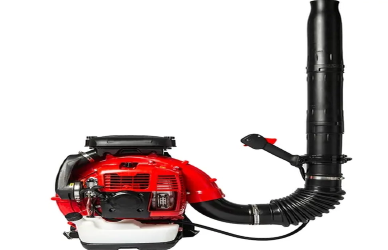
Power is a critical factor when choosing a commercial leaf blower, as it directly impacts performance and efficiency in large-scale outdoor cleaning and professional landscaping tasks. The right amount of power ensures that the blower can handle the demands of clearing vast areas, heavy debris, and varied terrains without sacrificing speed or effectiveness. Key factors that influence power requirements include the size of the area to be cleaned, the type and weight of debris, the terrain, and the desired runtime. Understanding these factors allows businesses to select a blower that not only meets their immediate needs but also provides long-term reliability and performance.
· Impact on Efficiency: CFM measures the volume of air a blower can move per minute. A higher CFM means the blower can move more leaves and debris in a shorter amount of time, which is especially important for large areas. For commercial use, blowers with higher CFM ratings are essential for faster and more efficient cleaning, as they allow landscapers to clear larger spaces without multiple passes.
· Role of Airspeed: MPH refers to the speed at which air is expelled from the blower. Higher MPH is crucial for pushing heavier debris, such as wet leaves, twigs, and larger yard waste. Faster airspeed helps move the debris with more force, enabling quicker clearing, particularly in areas with dense or wet debris. For professional use, blowers with higher MPH ratings provide better control and efficiency in tougher conditions.
· Engine Size (cc for Gas-Powered): The engine size, typically measured in cubic centimeters (cc) for gas-powered blowers, directly affects the blower's power output. Larger engine sizes provide more sustained power, making them suitable for longer, heavy-duty tasks. A higher cc engine allows for faster clearing of large areas.
· Voltage (for Battery-Powered): In battery-powered blowers, voltage (measured in volts) determines the overall power and runtime. Higher voltage typically results in stronger performance and longer operational time before needing a recharge. For commercial applications, choosing a blower with the right voltage ensures that the tool can handle extended tasks without losing efficiency.
For large-scale landscaping and property maintenance, a blower with higher power specifications is essential to efficiently clear vast areas. Ideally, you should look for a blower with:
· CFM: 500+ CFM for fast and effective debris removal over large surfaces.
· MPH: At least 150 MPH to move heavier leaves, twigs, and debris more easily.
· Engine Power: Gas-powered blowers with a 25cc or higher engine size or high-voltage battery-powered blowers (around 60V or more) are suitable for such tasks, ensuring sustained power for longer durations.
For municipalities, public spaces, or large estates requiring consistent, powerful performance, the blower must be able to handle challenging conditions with significant debris volume. Specifications for heavy-duty commercial tasks include:
· CFM: 600+ CFM for efficient clearance of large amounts of debris in a short time.
· MPH: 180-250 MPH to move large, heavy debris like wet leaves and branches.
· Engine Power: A high-performance gas-powered blower with a 50cc or larger engine or high-powered battery options (72V or higher) ensures that these machines can keep up with the heavy demands of commercial use.
For smaller businesses or residential landscapers working on smaller areas, the power requirements are less demanding. A good balance of power and efficiency is important to maintain productivity without excessive power usage. Ideal specifications include:
· CFM: 300-500 CFM is sufficient for smaller properties and light-duty tasks.
· MPH: 120-150 MPH to handle light debris, such as dry leaves and grass clippings.
· Engine Power: A blower with a 20-25cc engine for gas-powered models or a mid-range battery-powered blower (around 40V-60V) will meet the needs of light commercial use, offering good performance without overwhelming power.
By understanding the power requirements for each type of commercial task, distributors can ensure they offer the right blowers that meet both their customers' needs and their operational demands.
The type of terrain and debris encountered significantly impacts the power requirements of a leaf blower.
· Terrain:
o Flat Areas: For flat, open spaces, less power may be needed, as the blower can move debris more easily.
o Hilly or Sloped Terrain: On uneven ground, more power is necessary to maintain airflow and effectively move debris uphill or across rough surfaces. A blower with higher MPH can help push debris over these obstacles.
o Wooded Areas: In forested or densely vegetated spaces, blowers need to handle a mix of wet leaves, twigs, and branches. High CFM and strong MPH are essential for effectively clearing debris in such environments.
· Debris Type:
o Light Debris: Dry leaves and small twigs require less power to move, so a blower with moderate CFM and MPH is sufficient.
o Heavy Debris: Wet leaves, large branches, or heavy yard waste require more power. A blower with a higher CFM (500+), MPH (150+), and larger engine size is necessary to push heavy or wet debris effectively.
Balancing power with fuel consumption or battery life is essential, especially for tasks that require prolonged operation.
· Gas-Powered Blowers: While gas-powered blowers offer longer runtimes and more power, they can consume more fuel. Distributors should consider fuel efficiency when recommending blowers for extended commercial tasks. Larger engines may offer more power but can result in higher fuel consumption, so finding the right balance between power and fuel efficiency is key for long-term cost-effectiveness.
· Battery-Powered Blowers: For battery-powered blowers, the voltage and battery capacity impact both runtime and power. Higher voltage typically provides more power but may drain the battery faster. For longer tasks, a high-capacity battery or the ability to swap out batteries mid-job is crucial to ensure sustained performance. Distributors should also look for energy-efficient models to reduce downtime between recharges, ensuring continuous work during commercial tasks.
By understanding these factors, distributors can help customers choose blowers that not only fit their power needs but also provide long-lasting performance and operational efficiency.
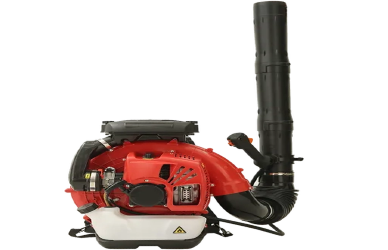
· Gas-Powered Leaf Blowers
o Pros:
Higher power for heavy-duty tasks.
Longer runtime without recharge.
Reliable for large-scale jobs.
o Cons:
Louder operation.
Requires regular maintenance (oil, spark plugs).
Produces emissions.
· Battery-Powered Leaf Blowers
o Pros:
Quiet and eco-friendly.
Low maintenance.
Lightweight and easy to maneuver.
o Cons:
Limited runtime (requires recharging).
Lower power for heavy-duty tasks.
· CFM (Cubic Feet per Minute):
o For large jobs: Aim for 500+ CFM to move more debris.
o For smaller tasks: 300-500 CFM is sufficient.
· MPH (Miles per Hour):
o For heavy-duty use: 150+ MPH for wet or heavy debris.
o For lighter tasks: 120-150 MPH works well for dry leaves.
· Cost vs. Savings: Gas blowers have higher initial costs but are more cost-effective for large tasks, while battery blowers have lower upfront costs but require multiple batteries for longer jobs.
· Maintenance: Gas blowers need more maintenance (oil, fuel), while battery blowers are low-maintenance but may need battery replacements.
· Warranty: Consider warranty length and product durability to ensure long-term value.
Balancing power requirements, budget, and maintenance will help distributors choose the right blower for commercial tasks.
For large commercial properties, look for blowers with 500+ CFM to efficiently clear large areas of leaves and debris in a shorter time. Higher CFM ensures that the blower can handle more debris and cover large areas quickly, making it suitable for expansive lawns, parks, and other sizable outdoor spaces.
Yes, gas-powered blowers generally provide more power and longer runtimes, making them better suited for heavy-duty commercial tasks. Gas models can maintain higher airflow for extended periods without needing a recharge, which is critical for large-scale operations.
For most commercial tasks, a leaf blower with at least 150 MPH airspeed is ideal to ensure efficient debris clearing, especially in tough conditions. Higher MPH helps move heavy and wet debris more effectively, ensuring quicker cleanups in large areas or commercial spaces.
Rough terrains or heavier debris require more powerful blowers with higher CFM and MPH to ensure effective cleaning. On sloped or uneven ground, a higher MPH helps move debris uphill, while higher CFM is essential for handling dense or wet materials. Choosing the right power based on terrain and debris type ensures a more efficient and smooth operation.
Choosing the right power specifications for commercial leaf blowers is essential to maximize performance, efficiency, and long-term value. Distributors should carefully consider factors such as the blower’s CFM and MPH ratings to match the specific needs of the job, whether it's a large property or light commercial use. Gas-powered blowers are ideal for heavy-duty tasks due to their higher power and longer runtime, while battery-powered options offer portability and lower maintenance. Balancing these specifications with your budget and the blower’s expected service life ensures you get the best value. Companies like Qianheng Machinery provide a range of reliable leaf blowers that cater to various commercial needs, offering high-performance options that deliver both efficiency and durability for long-term success.


