Views: 0 Author: Site Editor Publish Time: 2026-04-16 Origin: Site


Operating a power tiller efficiently and safely is key to ensuring that you get the best results from your soil preparation. Whether you're a homeowner preparing a garden bed or a professional landscaper working on a large plot of land, understanding how to use your power tiller correctly will not only make your job easier but also help maintain the longevity of your equipment. In this guide, we will walk through the essential steps for operating a power tiller, including preparation, safety tips, maintenance, and troubleshooting common issues.
Before you start using your power tiller, proper preparation is crucial to ensure both your safety and the efficiency of the machine. This section covers the essential checks you should perform before operating the tiller.
The first step before operating any power tiller is to inspect the machine thoroughly. Regular checks can help prevent potential problems during operation and ensure that the tiller works efficiently.
Item to Check | Importance | Action to Take |
Fuel | Ensures smooth operation and power. | Check fuel levels; ensure it's fresh and not stale. |
Oil | Keeps the engine lubricated and running smoothly. | Check oil levels and ensure it's clean and at the correct level. |
Tiller Blades | Essential for tilling effectiveness. | Inspect the blades for damage and sharpen if necessary. |
Air Filter | Prevents dirt from entering the engine. | Check for blockages or dirt; clean or replace if needed. |
Belts and Cables | Ensures proper control and operation. | Inspect for any signs of wear and tear or loose connections. |
Operating a power tiller can be physically demanding, so it is important to wear the right protective gear. The right attire not only ensures comfort but also protects you from potential injuries.
· Gloves: Wear sturdy gloves to protect your hands from debris, vibrations, and friction.
· Safety Goggles: Always wear safety goggles to protect your eyes from flying soil or rocks.
· Boots: Ensure your boots are heavy-duty with good grip to prevent slipping while operating the tiller.
· Long Pants: Avoid wearing shorts to protect your legs from debris and potential injury from the rotating blades.
The terrain you are working on plays a significant role in how you should operate your power tiller. Different types of soil and landscapes may require adjustments to your tilling depth and speed.
· Flat Terrain: Easier to till, as the machine can move without obstacles.
· Hilly Terrain: Requires more power and careful control, as tillers can struggle to stay balanced or may damage the soil.
· Rocky or Rooted Areas: You must clear any obstacles before operating, as hitting rocks or tree roots could damage the tiller or cause personal injury.
Once the equipment is ready, the next step is to start your power tiller. The startup process varies depending on the model and type of tiller (gas-powered, electric start, or manual start).
Before starting, always check the fuel and oil levels:
· Gas-Powered Models: Ensure the gas is fresh (use fuel stabilizer for longer storage). Check oil levels by removing the dipstick and ensuring the oil is clear and at the correct level.
· Battery-Powered Models: Ensure the battery is fully charged. If the battery isn’t removable, check the charging indicators to ensure it’s ready for use.
Power Source | Action to Take |
Gas-Powered | Check fuel level, and ensure oil is at the correct level. |
Electric Start | Verify the battery is charged and installed correctly. |
Manual Start | Ensure the starter cord is in good condition and the choke is set. |
Gas-Powered Tiller:
o Turn the fuel valve to the "on" position.
o Set the choke (for cold starts) and pull the starter cord until the engine starts.
o Let the engine warm up for a minute before beginning tilling.
Electric Start Models:
o Turn the key to the "on" position or press the starter button.
o Ensure that the battery is properly connected and charged.
Manual Start:
o For models with manual pull start, pull the starter cord sharply until the engine starts.
Now that your power tiller is ready, it's time to begin the actual tilling process. To achieve the best results, it’s important to operate the tiller at the correct speed, depth, and direction.
Different soil types and tasks require adjustments to the depth of the tilling blades.
Soil Type | Recommended Tilling Depth | Tiller Setting Adjustment |
Loose, Sandy Soil | Shallow tilling (3-4 inches) | Set the tiller depth to shallow settings for lighter soil. |
Clay or Compacted Soil | Deeper tilling (5-7 inches) | Increase the depth to break through compacted soil. |
Garden Beds | Moderate depth (4-5 inches) | Set for an intermediate depth to prepare for planting. |
Maneuvering the tiller can be tricky, especially on uneven or rocky terrain. To maintain control:
· Move Slowly: Avoid rushing. Let the tiller dig into the soil at a controlled pace.
· Steer Gently: Hold the handlebars with both hands, maintaining a steady grip to guide the tiller’s direction.
· Walk at a Steady Pace: Walk behind the tiller at a constant pace, not too fast, to ensure even tilling and prevent the tiller from getting bogged down.
While it’s tempting to rush through large areas, it's essential to maintain an efficient yet steady pace to avoid overloading the tiller and ensure the soil is properly tilled.
· Slow and Steady: The tiller works best when you give it time to break down soil. Move at a pace that allows the tiller blades to work through the soil without overworking the engine.
· Adjust Speed as Needed: Increase the speed for loose, easy-to-till soil and slow down for tougher conditions like compacted or rocky ground.
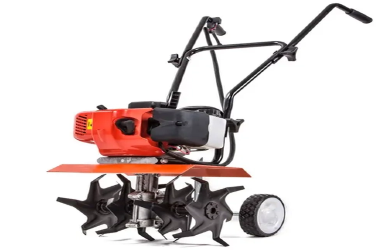
Using a power tiller comes with certain risks, but following these safety tips can reduce accidents and injuries.
When you hit rocks or tree roots, immediately stop the tiller and inspect the blades. If you continue, you risk damaging the tiller or injuring yourself.
· Do Not Stand in Front of the Tiller: Always stand behind the tiller to avoid injury from flying debris.
· Shut Off When Not in Use: Always turn off the engine when walking away from the tiller, especially if it’s left unattended.
· Be Aware of Your Surroundings: Keep children, pets, and others away from your working area.
To ensure the longevity and efficiency of your power tiller, it’s crucial to perform regular maintenance and aftercare. Proper upkeep will keep your machine running smoothly and help prevent costly repairs in the future.
After each use, thoroughly clean your tiller to maintain its performance. Soil and debris can build up on the blades, exhaust, and air filters, affecting the efficiency of the machine. Use a brush to clean the blades, exhaust system, and air filters, removing any mud, dirt, or grass clippings. Pay special attention to the blades, as they can become clogged with soil or debris, reducing their effectiveness. A clean tiller also ensures that the engine operates at optimal performance levels.
Task | Frequency | Action to Take |
Oil Change | Every 20-50 hours | Replace the oil regularly to ensure the engine runs smoothly and is properly lubricated. |
Blade Sharpening | As needed | Sharpen the blades regularly to ensure effective tilling and prevent unnecessary strain on the engine. |
Fuel System Check | Before each use | Check for leaks, fuel quality, and replace old or stale fuel to ensure smooth engine performance. |
Air Filter Cleaning | Every 25 hours | Clean or replace the air filter as needed to prevent dirt from entering the engine, maintaining air flow and efficiency. |
· Inspect the Tiller: Before each use, check for any loose or damaged parts, such as belts, cables, or handles. Tighten or replace them as necessary.
· Storage: After cleaning, store your tiller in a dry, safe location, away from extreme temperatures, to prevent rust and other damage.
By adhering to a regular maintenance schedule and keeping your power tiller clean, you’ll ensure that it operates efficiently and remains reliable for years to come.
For loose, sandy soil, a shallow depth (3-4 inches) works best, while for compact or clay soils, a deeper depth (5-7 inches) is necessary to break the ground effectively.
Wear sturdy boots, gloves, goggles, and long pants to protect your hands, eyes, and legs from flying debris and the rotating blades of the tiller.
Check the fuel and oil levels before each use, ensuring that they are at the correct levels to maintain optimal engine performance and prevent overheating.
Stop the tiller immediately, check for any damage, and remove the obstruction. Restart the tiller after clearing the rock or root to continue tilling.
Operating a power tiller efficiently and safely requires proper preparation, understanding your terrain, and maintaining control during operation. By following the steps outlined in this guide—from preparing the tiller and starting it correctly to maintaining safety during operation and performing regular maintenance—you will ensure that your tiller remains in optimal working condition, providing reliable service for years to come. Always remember to use proper safety gear, work at a steady pace, and regularly inspect your equipment to maximize performance and avoid unnecessary repairs. Investing in quality equipment like the Power Tiller from Qianheng Machinery will not only enhance your work efficiency but also guarantee long-term durability, ensuring that your gardening or farming tasks are completed safely and effectively.


