Views: 0 Author: Site Editor Publish Time: 2026-05-05 Origin: Site


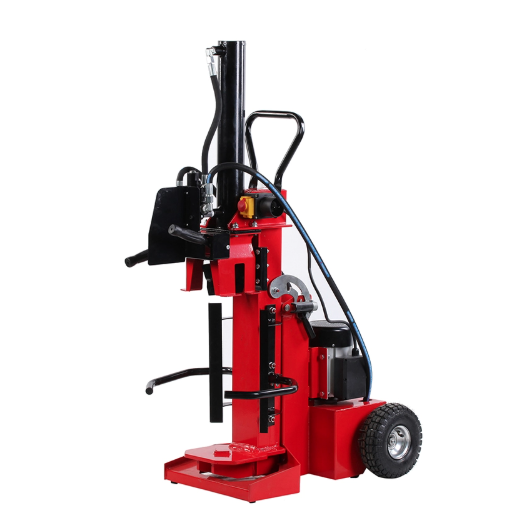
Preparing timber for winter requires a delicate balance of physical stamina and mechanical reliability. You must match your cutting tool's exact capacity to the volume and moisture condition of your wood. Selecting the wrong equipment inevitably leads to pinched blades, severe physical exhaustion, and unsafe operational mechanics.
Many people dream of relying entirely on manual power for a full winter's off-grid heating supply. Yet, this romantic notion quickly reveals itself as a physically punishing reality. Handling massive log volumes by hand demands immense endurance and precise technique.
We provide an objective, evidence-based framework for evaluating the most effective manual and powered wood-cutting equipment. You will discover how to analyze drive systems, select proper blade geometry, and measure real-world processing output. Ultimately, this approach ensures you process timber safely, efficiently, and without unnecessary fatigue.
Volume dictates category: Occasional campfire wood requires a 24"–30" manual bow saw; a full winter's off-grid supply demands a petrol or PTO-driven circular saw capable of 1–3+ cubic meters per hour.
Wood condition matters: Wet (green) wood and dry (seasoned) wood require completely different tooth patterns to prevent binding.
Blade metallurgy: A truly durable Log Saw relies on Tungsten Carbide Tipped (TCT) blades for powered units or resharpenable high-carbon steel for hand saws.
Safety & efficiency: Wedges are non-negotiable for manual bucking, while enclosed guards and V-belt over-load protection are critical for powered operation.
You must rigorously define your exact use case before purchasing any cutting equipment. Processing timber varies drastically depending on the end goal. Casual yard cleanup involves severing small branches sporadically. Camping or bushcraft scenarios require portable, lightweight tools for occasional fires. Conversely, processing a primary winter heating supply demands robust, high-yield machinery.
We often see users attempt heavy ground bucking using professional arborist saws. This represents a fundamental mismatch of equipment. Arborist saws undergo specific design processes for lightweight climbing and overhead canopy work. They utilize aggressive pull-stroke mechanics suited for one-handed operation. Traditional forestry or heavy-duty carpentry tools remain absolutely necessary for processing heavy, dense logs on the ground. You need tools designed to leverage your body weight efficiently during a continuous push-pull rhythm.
Understanding processing capacity helps ground your expectations. Below is a baseline capacity benchmark table illustrating the stark differences in output across equipment categories. These metrics reveal the true physical investment required for manual processing.
Equipment Category | Processing Benchmark | Primary Limitation |
|---|---|---|
Manual Hand Saws | ~5 minutes per 12-inch log | Highly dependent on operator stamina and blade sharpness. |
Entry-Level Powered Saws | 1 to 3 cubic meters per hour | Requires fuel or electrical grid access. |
Commercial Automatic Processors | Up to 15 cubic meters per hour | Significant initial capital investment and footprint size. |
Crosscut saws serve as the definitive tool for serious off-grid preparation and homesteading. They handle large-diameter logs brilliantly while eliminating all fuel dependency. You rely entirely on human kinetic energy. This makes them exceptionally reliable in remote environments where engine failure means losing your heating supply.
Size guidelines directly impact your mechanical advantage. We recommend 3-foot models for single-user general forestry tasks. They offer enough stroke length to clear sawdust without becoming unwieldy. Alternatively, 4-foot models provide maximum efficiency for dual-operator bucking. Two people can establish a synchronized push-pull rhythm, drastically reducing individual fatigue.
Bow saws remain the industry standard for severing mid-sized branches and splitting pre-cut logs. Their tubular steel frames maintain extreme blade tension. This tension prevents the thin blade from buckling during aggressive push strokes. They excel at processing manageable yard debris rapidly.
When reviewing specifications, look for a durable Log Saw in the 24-inch to 30-inch range. You want an aggressive tooth per inch (TPI) count, typically around 4 TPI. This specific configuration achieves a perfect balance between cutting speed and stroke length. Too many teeth will clog quickly in wet wood, while too few will catch aggressively and disrupt your rhythm.
Folding saws function primarily as packable survival gear or reliable backup options. You can easily stow them in a backpack or truck console. They deploy rapidly for clearing trail blockages or gathering small campfire fuel.
You must pay attention to specific design notes regarding their operation. Japanese-style blades utilize a highly specialized pull-stroke mechanism. This design allows for incredibly thin blades and extreme sharpness. However, it requires strict stroke-control. Pushing hard on the forward stroke will immediately bend or snap the blade. You must let the teeth do the work only as you pull the handle toward your body.
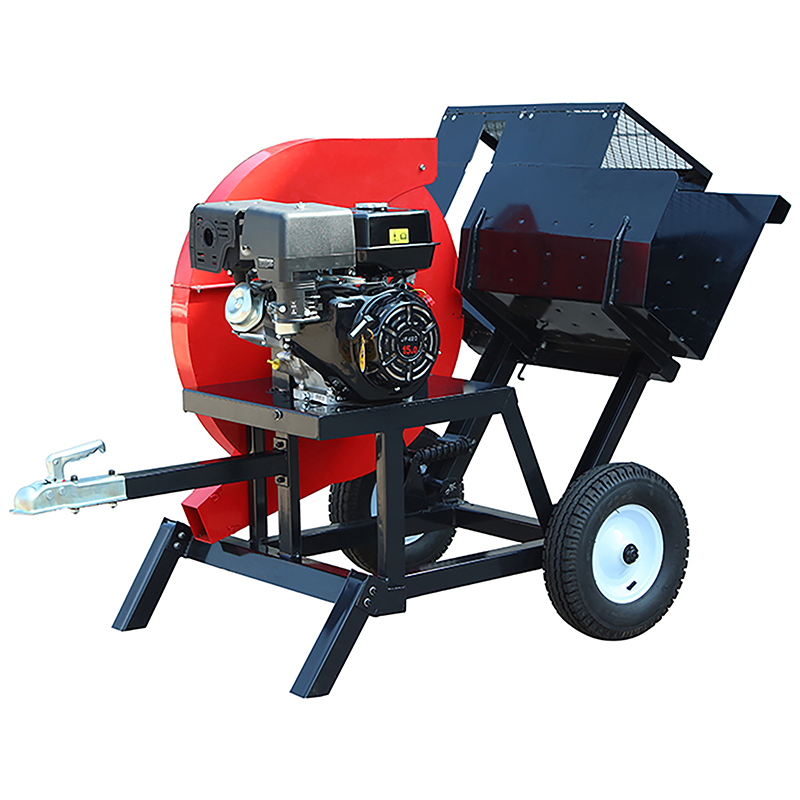
When scaling up to a powered Log Saw, the drive system determines your operational limits. Direct drive electric models transfer rotational power from the motor straight to the blade. They offer near-zero power loss but lack forgiveness. V-belt designs introduce a crucial mechanical buffer. The belts slip slightly if the blade violently strikes a dense knot. This slippage provides vital overload protection, saving the motor from catastrophic burnout.
Tractor Power Take-Off (PTO) systems represent the ultimate off-grid, heavy-duty solution. They interface directly with farm equipment, functioning entirely independent of the electrical grid. For extreme field mobility, 4-stroke petrol engines dominate. We strongly suggest models featuring 13hp+ engines paired with E-Start capabilities. Electronic push-button starting proves essential for reliability during freezing winter conditions.
Drive System | Primary Advantage | Best Application Scenario |
|---|---|---|
Electric Direct Drive | Maximum power transfer efficiency. | Residential setups near heavy-duty power outlets. |
Electric V-Belt | Motor overload protection via belt slip. | Processing knot-heavy or unpredictable timber. |
Tractor PTO | Massive torque without an independent motor. | Large-scale farm operations and deep woods processing. |
4-Stroke Petrol (13hp+) | Complete standalone mobility and field independence. | Mobile forestry work far from infrastructure. |
Blade metallurgy drastically impacts your long-term maintenance schedule. You need a massive 700mm diameter Tungsten Carbide Tipped (TCT) blade for serious longevity. Tungsten carbide resists extreme heat generated by continuous friction. Standard steel blades dull rapidly under high RPM loads, forcing you to stop and swap blades constantly.
Safety and mobility features remain equally critical. Fully enclosed blade guards shield the operator from flying debris and catastrophic blade failure. Rigid push-chassis systems ensure logs feed evenly into the cutting path. Finally, robust wheels and optional towing attachments allow you to transit the heavy equipment across rugged farm terrain effortlessly.
You cannot use a universal blade for all timber. Wood condition strictly dictates your required blade geometry. Attempting to cut wet, green wood using a blade designed for dry wood causes immediate failures. The sticky sap and high moisture content clog the small gullets instantly, resulting in severe binding and dangerous kickback.
We classify tooth patterns into specialized categories based on the wood fibers they process. Understanding these patterns ensures you maximize cutting speed while minimizing physical drag.
Hardwood Tooth Patterns (Tuttle / Champion): This design features two cutting teeth per single raker tooth. The cutting teeth score the dense wood fibers. The subsequent raker acts like a chisel, scooping out the severed material. Engineers optimized this configuration specifically for clearing dense, shorter shavings common in oak and maple.
Softwood Tooth Patterns (Perforated Lance): Softwoods like pine and spruce present different challenges. They produce long, stringy fibers highly saturated in resin. This pattern features four cutting teeth per single raker. The increased number of cutters shreds the fibrous material thoroughly before the raker ejects it, preventing resin buildup.
Kerf design plays another vital role in cutting efficiency. The kerf refers to the total width of the cut channel. Thin kerf blades remove significantly less material per stroke. This reduction significantly reduces drag and physical exertion. You will find this efficiency especially critical when bucking heavily seasoned, rock-hard timber.
You must respect the basic physics of timber processing to maintain safety. The friction of the cut, combined with the immense sheer weight of the log, will inevitably pinch your blade. As you sever the wood fibers, gravity pulls the center of the log downward. The top of the cut collapses inward, crushing the blade laterally. You must proactively drive shims and wood wedges into the top of the cut. This mechanical wedging keeps the kerf wide open during manual bucking.
A dependable manual saw requires regular field maintenance. A dull saw drastically increases your physical workload. You should assemble a dedicated resharpening kit and keep it accessible.
6-inch Mill Bastard File: Provides the abrasive precision necessary to restore cutting edges quickly.
Saw Set Gauge: Ensures every tooth leans outward at the correct microscopic angle to maintain proper kerf width.
Setting Hammer: Allows you to physically strike and bend individual teeth back into proper alignment after striking stones or hard knots.
Lubrication and cleaning remain ongoing responsibilities. Fresh tree sap creates severe friction drag on the blade body. This drag exhausts the operator rapidly. You must execute regular applications of a sap-removing solvent. Keeping the metal surface completely clean and lightly oiled ensures you maintain smooth stroke efficiency throughout the workday.
Selecting the optimal equipment relies on an honest assessment of your processing volume. A 30-inch bow saw or a 3-foot crosscut saw provides excellent backup reliability for off-grid scenarios. However, if you plan to process more than one solid cord of wood per season, you must invest in a V-belt electric or petrol-driven circular saw equipped with a heavy-duty TCT blade.
Your immediate next step requires an audit of your property. Determine your typical log diameter and identify your primary wood species. This data will finalize your required blade length and help you lock in the perfect tooth pattern for your upcoming timber harvest.
A: You should avoid using pruning saws for ground processing. Arborist saws feature lightweight pull-stroke designs intended for overhead canopy work. Bucking firewood on the ground requires heavy-duty push-saws, like bow or crosscut variants, designed to leverage your upper body weight efficiently.
A: The Perforated Lance tooth pattern excels at cutting wet pine. It utilizes four cutting teeth per single raker. This precise ratio thoroughly shreds long, stringy softwood fibers. It effectively clears heavy resinous chips, preventing the blade from clogging and binding in the cut.
A: Blades get stuck due to kerf compression. As you cut, the log's weight causes the gap to collapse inward, violently pinching the metal. You must pound a wood wedge or shim into the top of the cut. This props the channel open and eliminates blade friction.
A: Yes. TCT blades deliver an exceptional return on investment for powered units. Tungsten carbide resists extreme friction heat that quickly ruins standard steel. This metallurgy extends sharpening intervals dramatically, allowing you to process massive volumes of timber without stopping for constant maintenance.


