Views: 0 Author: Site Editor Publish Time: 2026-05-08 Origin: Site


On paper, two machines sharing identical working widths and horsepower requirements often look completely identical. Yet out in the field, one machine leaves a beautifully manicured finish. The other machine bogs down under load, vibrates aggressively, and leaves uncut stragglers everywhere. Evaluating a Flail Mower based purely on purchase price or rated tractor horsepower easily leads to massive buyer’s remorse. True field performance relies heavily on invisible mechanical synergies. You must consider kinetic energy retention, fluid dynamics inside the housing, and precise manufacturing tolerances. Property owners often fail to realize these hidden engineering dynamics.
This comprehensive guide bypasses surface-level spec sheets to fully unpack the engineering realities of agricultural mowing. It gives buyers a highly concrete, actionable framework to evaluate heavy equipment effectively. You will learn exactly how to bypass marketing fluff. By the end, you will know how to select the right Flail Mower manufacturer for heavy-duty professional land maintenance.
Rated HP is deceptive: Up to 20% of engine power is lost through the driveline; decisions must be based on effective PTO horsepower.
Weight equals momentum: Heavy rotors utilize the "flywheel effect" to store kinetic energy, preventing the mower from stalling in dense, woody brush.
Aerodynamics matter: Clean cuts rely on a "vacuum effect" created by housing geometry and proper cutting height adjustment to lift matted grass.
Tolerances dictate lifespan: Poor factory rotor balancing bleeds energy through vibration, drastically shortening bearing and belt life.
Manufacturer support is critical: Sourcing from a reliable flail mower manufacturer ensures access to strictly calibrated replacement blade sets and OEM hardware (like mandatory Nyloc nuts and bushings) required to maintain dynamic balance.
Tractor engine horsepower rarely equals true cutting power in real-world conditions. Buyers often assume engine specifications translate directly to the rotating cutting shaft. They absolutely do not. You must account for systemic mechanical friction along the entire driveline. The transmission gears, heavy V-belts, gearbox mechanisms, and PTO shaft connections all absorb vital kinetic energy. You should subtract roughly 10 to 20 percent from the rated engine horsepower. This straightforward calculation reveals the effective power actually delivered to the cutting rotor. Relying strictly on effective power prevents sudden engine stalling when hitting dense vegetation.
Another incredibly common sizing mistake involves maximizing the working width simply to cover tractor tire tracks. Many buyers completely ignore their tractor’s 3-point hitch lift capacity limits. Category 1 and Category 2 hitches have strict weight boundaries. Overweight implements destabilize the tractor's hydraulic system easily. They cause dangerous front-wheel lift during road transport or steep inclines. A massive mower requiring 40 horsepower might physically fit on a smaller frame. However, lifting it safely requires proper front counterweights and robust hydraulic strength.
Follow these essential evaluation rules for optimal machine sizing:
Calculate the realistic PTO output under heavy dynamic load conditions.
Match the implement's required PTO horsepower strictly to this newly adjusted figure.
Select a minimum working width just eclipsing the rear tire span.
Verify the total implement weight falls well within your tractor's safe hydraulic lifting limits.
Following these specific steps precisely prevents the secondary compaction of uncut grass. It ensures the tractor wheels never press down wet grass completely beyond the mower's aerodynamic reach.
Industrial machine grades differ from consumer models primarily through internal rotor inertia. Heavy-duty rotors essentially act as massive mechanical batteries. They utilize the physical flywheel effect to maintain relentless forward momentum. The heavy rotating mass stores huge amounts of kinetic energy during normal operation. This crucial stored energy allows the machine to power through dense, woody thickets. It easily slices through 1.5-inch saplings without suffering sudden RPM drops. Lightweight tubular rotors lose momentum instantly upon hitting thick brush, forcing the tractor to stall.
Matching this rotational mass to the specific drive system remains crucial. Standard compact and utility tractors generally output 540 RPM at the PTO shaft. Larger commercial farm tractors often require heavy 1000 RPM systems. The absolute input speed matters significantly less than harmonizing PTO RPM and the final rotor tip speed. The tractor engine spins at 2500 RPM, the PTO slows it down, and the mower gearbox speeds it back up. The entire mechanical drivetrain must complement the sheer physical weight of the spinning steel rotor.
Implementing the wrong speed setup creates severe mechanical risks. Running incorrect speeds damages internal components rapidly. Below is a diagnostic chart highlighting these specific mechanical dangers:
Speed Condition | Physical Symptoms | Mechanical Consequences |
|---|---|---|
Under-driven (Speed too low) | Torn grass fibers, excessive stragglers, sudden tractor bogging. | Massive loss of cutting momentum. The tractor engine stalls under heavy dynamic loads. Poor suction generation inside the hood. |
Over-driven (Speed too high) | Aggressive whining noise, poor cut consistency, severe vibration. | Generates excessive frictional heat in the drive belts. Overloads the internal gearbox and causes rapid structural metal fatigue. |
Blade selection directly determines your actual processing capability out in the field. You must match the specific cutting tool strictly to your terrain type. Using the wrong cutting tool wastes diesel fuel and ruins the final grass finish.
Hammer Flails: Heavy equipment builders forge these from solid steel for high-impact shattering operations. They easily destroy dense woody stems, heavy brush, and thick branches. Hammers require much higher kinetic energy and engine torque to function properly. They handle unexpected rock strikes significantly better than thin slicing blades.
Y-Blades: These provide incredibly high-speed slicing for lighter grasses, pastures, and weeds. Using dual Y-blades allows for significantly faster forward travel speeds. Operators typically run between 3 to 5 mph efficiently. They consume less engine horsepower but chip easily on heavy field stones.
Beyond the physical blade shape, hidden aerodynamics play a massive role. A typical Flail Mower cuts vegetation on a purely vertical rotating plane. It relies entirely on a strong vacuum pressure gradient generated inside the closed housing. This intense negative pressure literally sucks flattened grass upright. It lifts deeply matted vegetation just milliseconds before the heavy blade strikes it. Without this invisible aerodynamic lift, you simply push grass down into the mud.
Simple field adjustments solve most common cutting failures quickly. If you consistently see uncut strips or annoying stragglers, the issue rarely involves actual power deficits. You likely need to adjust the machine's physical operating geometry. Try lowering the overall rear roller cutting height setting by two to three inches. Alternatively, adjust the tractor’s top center hitch link manually. Pitching the steel hood forward slightly changes the aerodynamic angle of attack. This minor geometry change immediately improves the crucial vacuum lifting effect across the entire cutting width.
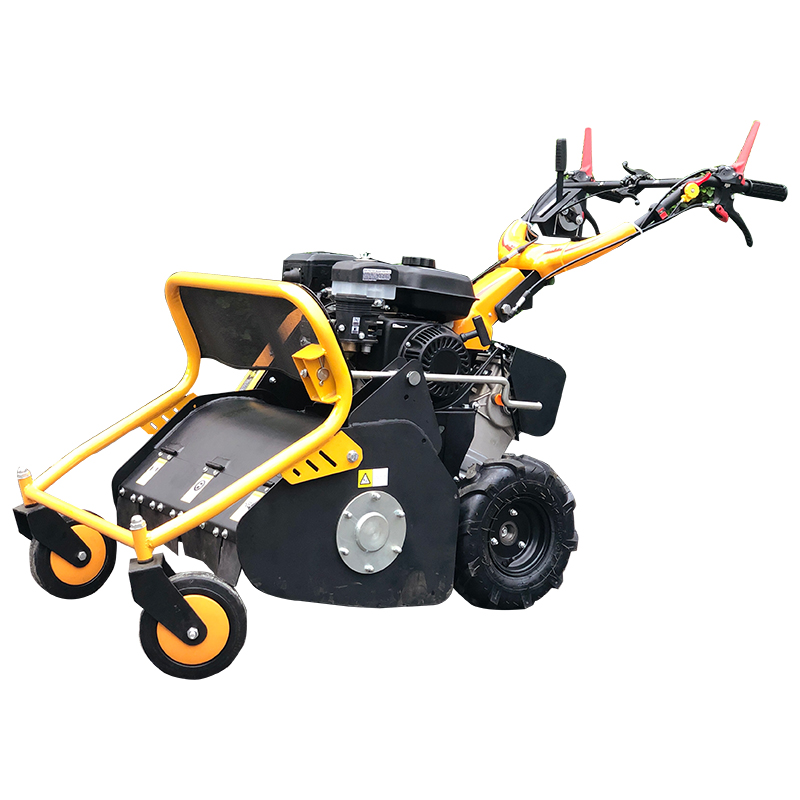
Superior outer shell design dictates internal fluid dynamics drastically. A well-engineered steel housing allows pulverized biological material to circulate freely. The finely chopped material then exits smoothly behind the heavy rear roller. Poor geometric shell design leads directly to terrible wet-weather clogging. Wet, sticky grass adheres to the inner steel roof instantly. This dense material packing places immense, destructive tension stress on the rubber drive V-belts. You should strongly look for dual-shell construction details. Premium HARDOX steel double shells provide excellent structural impact resistance against heavy flying stones. Cheaper single-skin models dent outward rapidly when heavy hammers strike large field debris.
Vibration acts as a massive, completely invisible energy leak. Energy not used directly for cutting vegetation translates into destructive structural machine vibration. If a main rotor lacks strict dynamic factory balancing, you face serious operational downtime. The resulting high-frequency resonance systematically destroys expensive sealed bearings. It inevitably cracks factory weld points over a remarkably short operational timeline. Proper balance feels smooth inside the tractor cab.
Integrated freewheel gearboxes remain an absolutely non-negotiable operator safety feature. An overrunning clutch, commonly called a freewheel, allows the massive spinning rotor to slow down gradually. When you manually disengage the PTO lever, the heavy rotor maintains massive kinetic momentum for several seconds. The internal clutch mechanism physically separates the spinning blade shaft from the drive system. This vital feature protects the tractor’s delicate internal transmission gears. It prevents violent kinetic kickback from shattering expensive tractor components. Without this crucial feature, the massive spinning momentum forcefully drives the entire tractor forward unexpectedly.
Your long-term relationship with the equipment builder matters immensely for continuous daily operation. A highly reputable Flail Mower manufacturer always guarantees strict dynamic balancing protocols. They do not just loosely assemble fabricated steel parts. They actively supply precisely weight-matched replacement blade sets. Mixing old and new blades on a single rotor destroys critical balance instantly. Premium equipment builders run computerized high-speed spin tests before any finished unit leaves the manufacturing facility.
Hardware standardization effectively separates heavy industrial builders from cheap consumer catalog brands. Reliable implement manufacturers strictly mandate complete hardware replacement kits. They consistently supply fully matched sets of heavy forged blades, mounting bolts, wear bushes, and Nyloc safety nuts. Reusing fatigued mounting bolts poses a severe, unpredictable operational safety hazard. Extreme centrifugal forces easily turn weakened, stretched hardware into highly dangerous metal projectiles. Specialized factory Nyloc nuts actively prevent intense machine vibration from backing bolts out during rough land fieldwork.
You must carefully assess the brand for application-specific customization options. You might frequently face distinct topographical maintenance challenges. Ditch-bank offset hydraulic arms help clear steep, dangerous inclines safely from flat, stable ground. Hydraulic side-shifts significantly simplify precise fence-line mowing and tight orchard tree work. Specialized harvesting rods physically lift heavy pruned branches efficiently for immediate pulverization. The right industrial manufacturer continuously offers these modular, bolt-on solutions to maximize daily fleet versatility.
Stop comparing agricultural models strictly by price-per-inch of cutting width.
Prioritize heavy rotor mass to ensure consistent operating RPMs during challenging land clearing tasks.
Verify the primary gearbox includes an integrated freewheel mechanism to protect your tractor's transmission from severe kinetic kickback.
Partner exclusively with a manufacturer supplying perfectly balanced blade sets and full consumable hardware kits.
Make your final equipment purchasing decision based strictly on effective power delivery and structural physics. You must carefully evaluate the housing aerodynamics and dynamic weight distribution profiles. Always secure your equipment from a dedicated industry builder focused entirely on strict manufacturing tolerances and operator safety.
A: Three primary factors usually cause this annoying issue. The cutting height might be set too high, preventing the necessary aerodynamic vacuum effect. Your forward travel speed could simply be too fast for the PTO RPM. Finally, the cutting blades may have worn down to a dull, scalloped edge. You should lower the height, slow your driving speed, or replace dull blades completely.
A: Yes. A 540 RPM rating represents the standard output for most compact and utility tractor applications. Running a heavy-duty mower depends purely on your tractor's effective PTO horsepower. The tractor engine must confidently sustain that 540 RPM under heavy dynamic load without stalling. Absolute rotational speed matters significantly less than consistent, uninterrupted power delivery.
A: Never grind the front, impact-facing edge of the steel blade. You must secure the main rotor firmly first. Grind only the angled rear edge, carefully maintaining a 37 to 50-degree angle. Apply very light pressure during sharpening. Pressing too hard quickly overheats the steel. This heat ruins the factory temper and causes premature blade failure during heavy impacts.
A: Rotors rely entirely on precise dynamic balance. Mixing old and new blades creates massive weight discrepancies. If your sharpening technique removes more metal from one side of the rotor, the resulting physical imbalance causes severe vibration. This intense resonance leads to imminent bearing failure. You must always replace blades and hardware in complete, factory weight-matched sets.


