Views: 0 Author: Site Editor Publish Time: 2025-10-08 Origin: Site


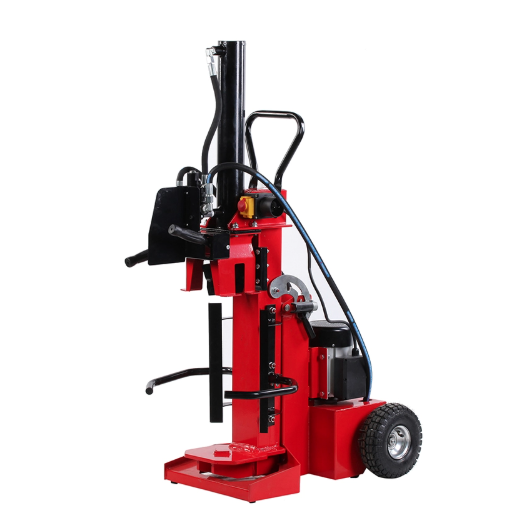
The log splitter is an essential tool for anyone dealing with large quantities of wood. It simplifies the arduous task of splitting logs, making it more efficient and less labor-intensive. Understanding how a log splitter works involves delving into its various components and mechanisms. This article will explore the inner workings of log splitters, focusing on their main components such as the cylinder, pump, and valve, and how these elements contribute to the overall functionality of the machine.
A log splitter is composed of several key components, each playing a crucial role in its operation. The primary components include the engine or motor, hydraulic pump, hydraulic cylinder, valve, and the splitting wedge. Each of these parts must work in harmony to ensure the efficient splitting of logs.
The engine or motor is the power source of the log splitter. It can be powered by gasoline, electricity, or even manually in some smaller models. The choice of power source affects the portability, power, and environmental impact of the log splitter. Gasoline engines provide more power and are suitable for heavy-duty tasks, while electric motors are quieter and more environmentally friendly, making them ideal for residential use.
The log splitter pump is responsible for generating the hydraulic pressure needed to drive the cylinder. It draws hydraulic fluid from the reservoir and pushes it into the cylinder, creating the force required to split the log. The pump's efficiency and capacity are crucial for the overall performance of the log splitter, determining how quickly and effectively it can split logs.
The log splitter cylinder is the component that directly interacts with the log. It converts the hydraulic pressure from the pump into mechanical force, pushing the log against the splitting wedge. The size and strength of the cylinder determine the maximum size of logs that can be split and the force exerted during the splitting process.
The log splitter valve controls the flow of hydraulic fluid to the cylinder. It allows the operator to control the direction and speed of the cylinder's movement. A well-designed valve ensures smooth operation and precise control, enhancing the safety and efficiency of the log splitter.
The splitting wedge is the component that physically splits the log. It is typically made of hardened steel and is designed to withstand the immense pressure exerted by the hydraulic cylinder. The shape and sharpness of the wedge affect the ease and effectiveness of the splitting process.
The operation of a log splitter is a coordinated process involving the engine, pump, cylinder, and valve. When the engine is started, it powers the hydraulic pump, which begins to circulate hydraulic fluid. The operator uses the valve to direct the fluid into the cylinder, causing the piston to extend and push the log against the splitting wedge. The force exerted by the cylinder splits the log along its grain, resulting in two or more pieces.
Cycle time refers to the time it takes for the cylinder to fully extend and retract. It is a critical factor in determining the efficiency of a log splitter. A shorter cycle time means more logs can be split in a given period, increasing productivity. Factors affecting cycle time include the capacity of the pump, the size of the cylinder, and the efficiency of the valve.
The force exerted by a log splitter is measured in tons and indicates the maximum pressure the machine can apply to a log. The capacity of a log splitter refers to the maximum size of logs it can handle. These factors are crucial for selecting the right log splitter for specific needs, whether for residential or commercial use.
Log splitters come in various types, each suited for different applications and user needs. The main types include manual, electric, gas-powered, and kinetic log splitters. Each type has its advantages and limitations, making it essential to choose the right one based on the intended use and available resources.
Manual log splitters are the simplest type, requiring physical effort to operate. They are ideal for small-scale use and are often more affordable and portable than other types. However, they are less efficient and require more time and effort to split logs.
Electric log splitters are powered by an electric motor, making them quieter and more environmentally friendly than gas-powered models. They are suitable for residential use and can handle moderate workloads. However, they require access to an electrical outlet, limiting their portability.
Gas-powered log splitters offer more power and are suitable for heavy-duty tasks. They are often used in commercial settings and can handle larger logs and higher volumes. However, they are noisier and produce emissions, making them less suitable for residential areas.
Kinetic log splitters use a flywheel mechanism to generate force, making them faster than hydraulic models. They are efficient and can significantly reduce cycle times, making them ideal for high-volume operations. However, they are often more expensive and may require more maintenance.
Safety is a critical consideration when operating a log splitter. Proper training and adherence to safety guidelines can prevent accidents and injuries. Key safety tips include wearing protective gear, ensuring the machine is on a stable surface, and keeping hands and feet clear of moving parts. Regular maintenance and inspection of the log splitter are also essential to ensure safe operation.
Understanding how a log splitter machine works is essential for selecting the right model and ensuring safe and efficient operation. By exploring the components and mechanisms involved, users can make informed decisions and optimize their wood-splitting tasks. Whether for residential or commercial use, a well-chosen log splitter can significantly enhance productivity and ease the workload associated with wood processing.


