Views: 0 Author: Site Editor Publish Time: 2025-11-06 Origin: Site


In the realm of firewood production, efficiency and productivity are paramount. The use of a Log Splitter has become essential for producers seeking to optimize their operations. This article delves into the significance of log splitters, exploring their benefits, types, and the technological advancements that have made them indispensable tools in the industry.
Log splitters have revolutionized the firewood industry by significantly reducing the time and labor required to process logs. Traditionally, splitting logs was a manual task, involving axes and considerable physical effort. However, with the advent of log splitters, this process has been mechanized, allowing for faster and more efficient production. The Log Splitter BLS04G-105T35, for instance, exemplifies how modern machinery can handle large volumes of wood with ease, enhancing productivity and reducing fatigue among workers.
The primary advantage of using log splitters is the dramatic increase in efficiency and productivity. A well-designed log splitter can process several cords of wood in a fraction of the time it would take manually. This efficiency not only boosts production rates but also reduces labor costs, as fewer workers are needed to achieve the same output. The Log Splitter MLS02E-52T15 is a prime example of a machine that combines power and precision, ensuring each log is split uniformly and swiftly.
Safety is a critical concern in any industrial operation, and log splitters are designed with this in mind. Modern log splitters incorporate safety features such as automatic shut-off systems, protective guards, and ergonomic controls to minimize the risk of injury. The Log Splitter MLS01E-52T8 is engineered to provide a safe working environment, reducing the likelihood of accidents and ensuring operators can work comfortably for extended periods.
Log splitters come in various types, each suited to different needs and scales of operation. Understanding these types is crucial for producers to select the most appropriate equipment for their specific requirements.
Hydraulic log splitters are among the most common types used in the industry. They operate using hydraulic pressure to drive a wedge through the log, splitting it with ease. These machines are known for their power and reliability, capable of handling large and tough logs. The Heavy Duty Log Splitter for Large Logs is an excellent example of a hydraulic splitter that delivers consistent performance in demanding conditions.
Electric log splitters are ideal for residential use or smaller operations. They are quieter and more environmentally friendly compared to their gas-powered counterparts. The 3500W Electric Log Splitter for Backyard Tasks is designed for ease of use, making it perfect for homeowners who need to prepare firewood for personal use.
For large-scale operations, gas-powered log splitters offer the power and mobility needed to handle extensive workloads. These machines are robust and can be used in remote locations without access to electricity. The Log Splitter VLS02E-110T18 provides unmatched power, making it suitable for commercial logging operations where high throughput is essential.
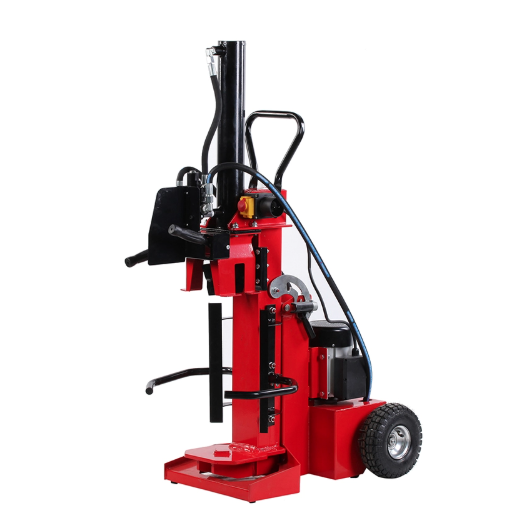
The evolution of log splitters has been marked by significant technological advancements, enhancing their efficiency, safety, and ease of use. Innovations such as automated systems, digital controls, and enhanced safety features have transformed these machines into sophisticated tools that cater to modern industrial needs.
Automation in log splitters has led to increased precision and reduced manual intervention. Digital controls allow operators to adjust settings with ease, ensuring optimal performance for different types of wood. The integration of sensors and automated systems in models like the Compact Log Splitter BLS03G-105 exemplifies how technology can enhance operational efficiency and user experience.
Safety enhancements in log splitters have been a focal point of technological innovation. Features such as automatic shut-off, emergency stop buttons, and protective shields have been integrated to protect operators from potential hazards. These advancements not only ensure compliance with safety regulations but also foster a safer working environment.
Selecting the appropriate log splitter is crucial for maximizing efficiency and meeting production goals. Factors such as the type of wood, volume of production, and available resources should be considered when choosing a log splitter. Consulting with a reputable Log Splitter manufacturer can provide valuable insights into the best options available for specific needs.
Understanding the scale of production and the type of wood being processed is essential in selecting the right log splitter. For large operations dealing with hard, dense wood, a heavy-duty hydraulic or gas-powered splitter may be necessary. Conversely, smaller operations or residential users may benefit from a compact electric model.
Budget is another critical factor in choosing a log splitter. While high-end models offer advanced features and greater efficiency, they come at a higher cost. It is important to balance the initial investment with the long-term benefits and potential savings in labor and time.
In conclusion, the Log Splitter is an indispensable tool for firewood producers, offering enhanced efficiency, safety, and productivity. With various types and technological advancements available, selecting the right log splitter can significantly impact the success of firewood operations. By understanding the specific needs and consulting with manufacturers, producers can ensure they invest in equipment that meets their demands and contributes to their overall success.


